
Golf Cart Tie Rod Ends Repair and Wheel Alignment
Understanding Your Golf Cart Tie Rod Ends
If you own or regularly use a golf cart, you’ve probably noticed that it doesn’t steer or handle like a regular car. The smooth, responsive steering of your golf cart depends on a few critical but often overlooked components: the tie rod and tie rod ends. When they fail, you might notice unsettling clunks, a wandering front end, or uneven tire wear. This quick guide will help you understand what these parts do, how to spot the signs of wear, and how to repair tie rod ends and correctly perform your golf cart alignment to restore safe, precise handling.
What Are Golf Cart Tie Rod Ends & Tie Rod?
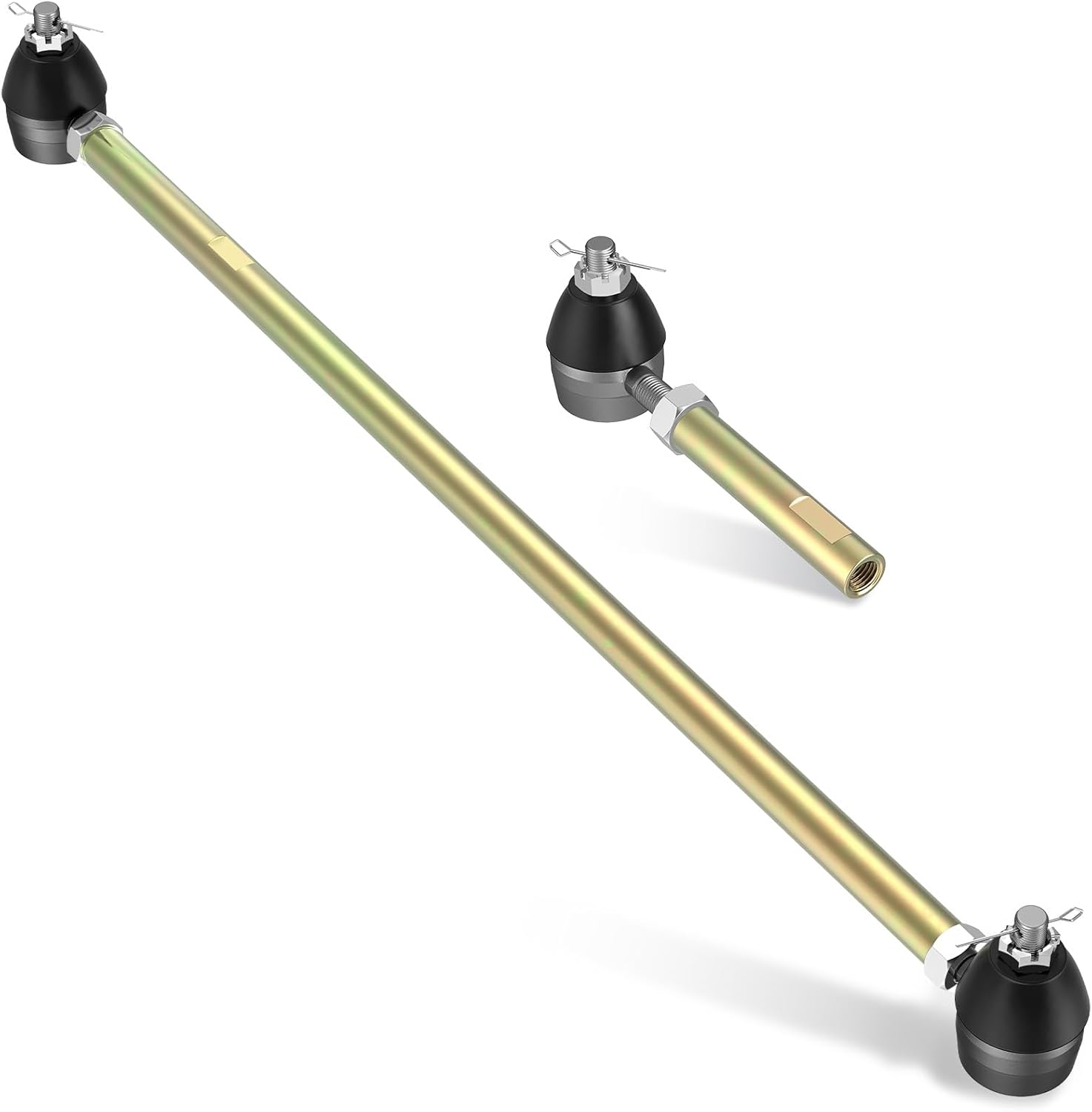
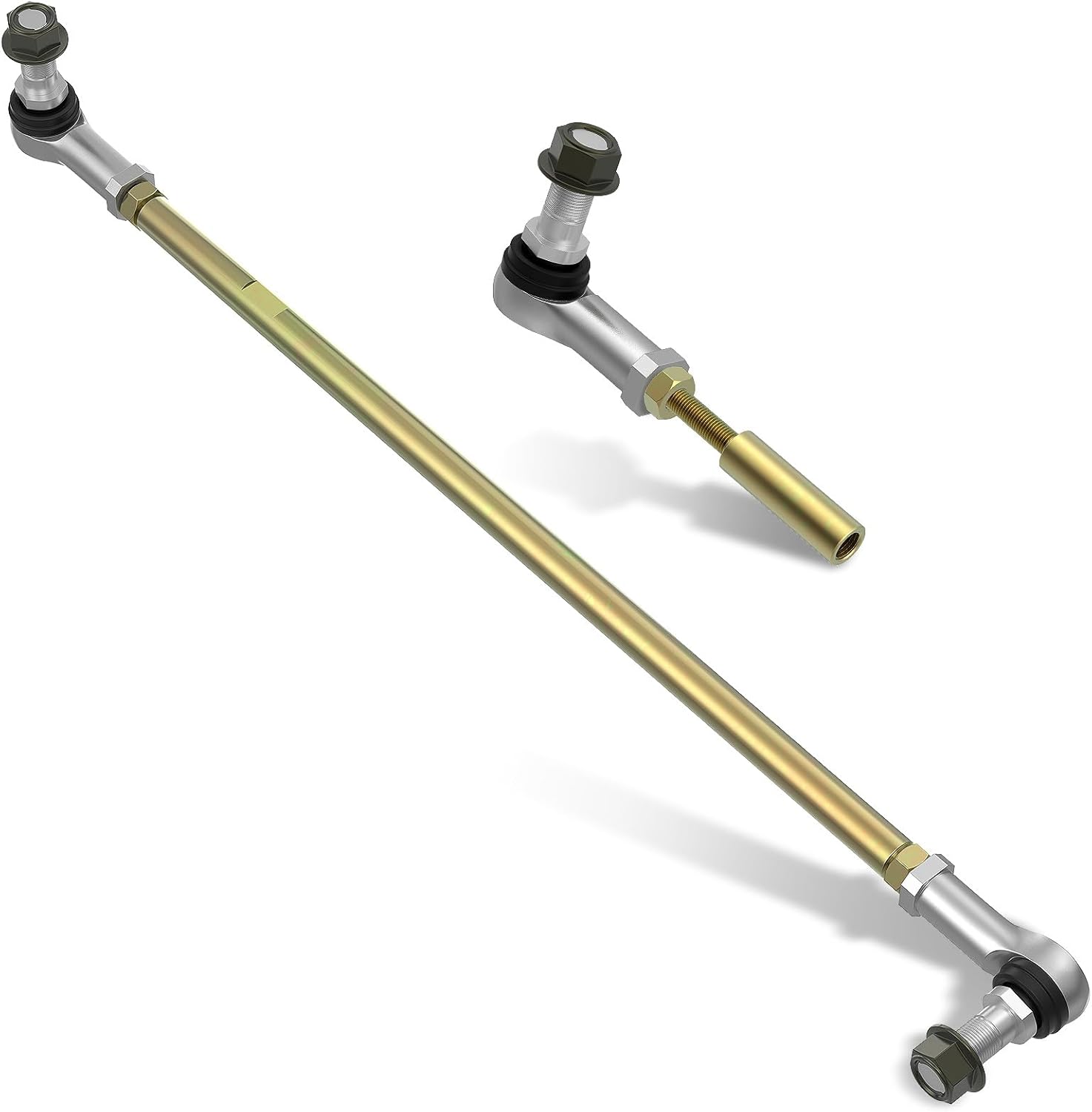
Let’s start with the basics. The tie rod is a metal rod that acts as a connecting link in your golf cart’s steering system. The tie rod end is the joint—often a small, ball-and-socket component—located at each end of the tie rod.
Together, they connect the steering gear (like the rack or pitman arm) to the steering knuckle, which turns your front wheels.
Main Functions:
- Transmit steering input from the steering wheel to the front wheels.
- Help keep both front wheels aligned and moving together.
- Allow for smooth turning while supporting slight up-and-down movement as the cart travels over uneven ground.
- Without a properly working tie rod and tie rod end, your golf cart’s steering would feel loose, unstable, or even unsafe.
Symptoms of Bad Tie Rod Ends in Your Golf Cart
Over time, tie rod ends can wear out—especially if you often drive on rough paths, grass, or uneven terrain. Here are seven common signs that it’s time to inspect or replace them:
1. Uneven or Excessive Tire Wear
Worn tie rod ends can cause misalignment, leading to unusual tire wear. If you notice the inner or outer edges of your front tires are wearing down faster than the rest of the tread, it’s a strong clue something’s off.
2. Loose or “Wandering” Steering
Does the cart feel sloppy or unresponsive on the path? A worn tie rod end can create extra play in the steering, making the cart drift or wander, especially at slower speeds.
3. Clunking or Knocking Noises
Hear a clunking sound when you turn or go over small bumps? That could be the tie rod end rattling inside its socket due to excess wear.
4. Steering Wheel Vibration
While more common at higher speeds in cars, a vibrating steering wheel can still occur in golf carts if the tie rod ends are worn and the wheels are out of alignment.
5. Poor Alignment – Pulling to One Side
If your golf cart consistently drifts to the left or right even when you’re steering straight, it may be due to a faulty tie rod end affecting wheel alignment.
6. Steering Wheel Doesn’t Center After a Turn
After turning, the steering wheel should naturally return close to the center. If it feels sticky or sluggish, it could be a sign of binding or wear in the tie rod ends.
7. Difficulty Steering
Stiff steering, especially during low-speed turns, may indicate that a tie rod end is seizing up or badly worn. This makes maneuvering harder and less predictable.
How to Perform Golf Cart Wheel Alignment
A proper wheel alignment is essential after replacing a tie rod end to ensure stable handling and prevent premature tire wear. For golf cart, this primarily involves setting the "toe-in" adjustment. The correct toe-in specification is typically between 1/8 inch to 1/4 inch, meaning the distance between the front edges of the two front tires should be slightly less than the distance between the rear edges.
Follow these steps to align your wheels accurately:
Step 1: Preparation
Park your golf cart on a flat, level surface. Ensure the steering wheel is positioned straight ahead.
Step 2: Loosen the Lock Nuts
Locate the jam nuts (lock nuts) on both ends of the tie rod. Use two wrenches to loosen them—one to hold the tie rod steady and the other to turn the nut. This will allow you to rotate the tie rod itself for adjustment. The jamm nuts are threaded opposite so both turn the same way to loosen and tighten.
Step 3: Take Measurements
With the wheels pointed straight, take two marks in both of the wheels’ front center, use a tape measure to measure the distance between the front marks of the two front tires, at the height of the wheel hub. Take this measurement carefully and record it as your "front" measurement.
Next, roll the cart backwards until the marks rotate to the rear position at the same hub height. Measure the distance between these marks and record as your "rear" measurement.
Step 4: Compare and Adjust
Compare your two measurements. Your goal is for the front measurement to be 1/8" to 1/4" less than the rear measurement.
To adjust, rotate the tie rod. Turning it clockwise will shorten the assembly (pulling the wheels in), while turning it counter-clockwise will lengthen it (pushing the wheels out). Make small, equal adjustments on both sides to keep the steering wheel centered.
Step 5: Re-tighten and Test
Once the desired toe-in is achieved and the steering wheel is straight, hold the tie rod in place and securely tighten the jam nuts on both sides to lock the adjustment.
Take your cart for a short test drive. The cart should track straight without pulling to either side, and the steering wheel should return to center easily.
Club Car DS Tie Rod Ends - Compatibility
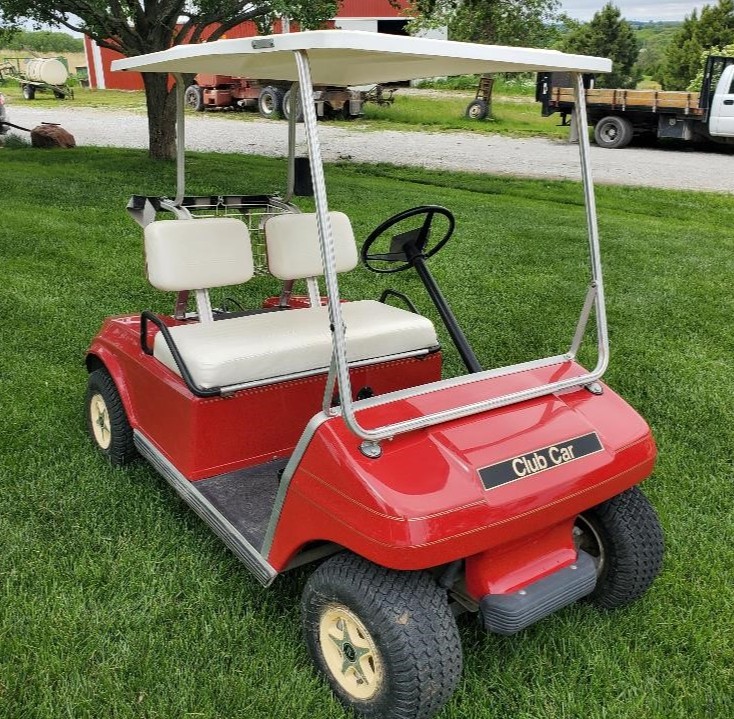
If you're replacing the tie rod ends on a Club Car DS, the first and most critical step is identifying your cart's model year, as there are two distinct types: Old Models was manufactured during 1984-2008; New Models was manufactured during 2009-up.
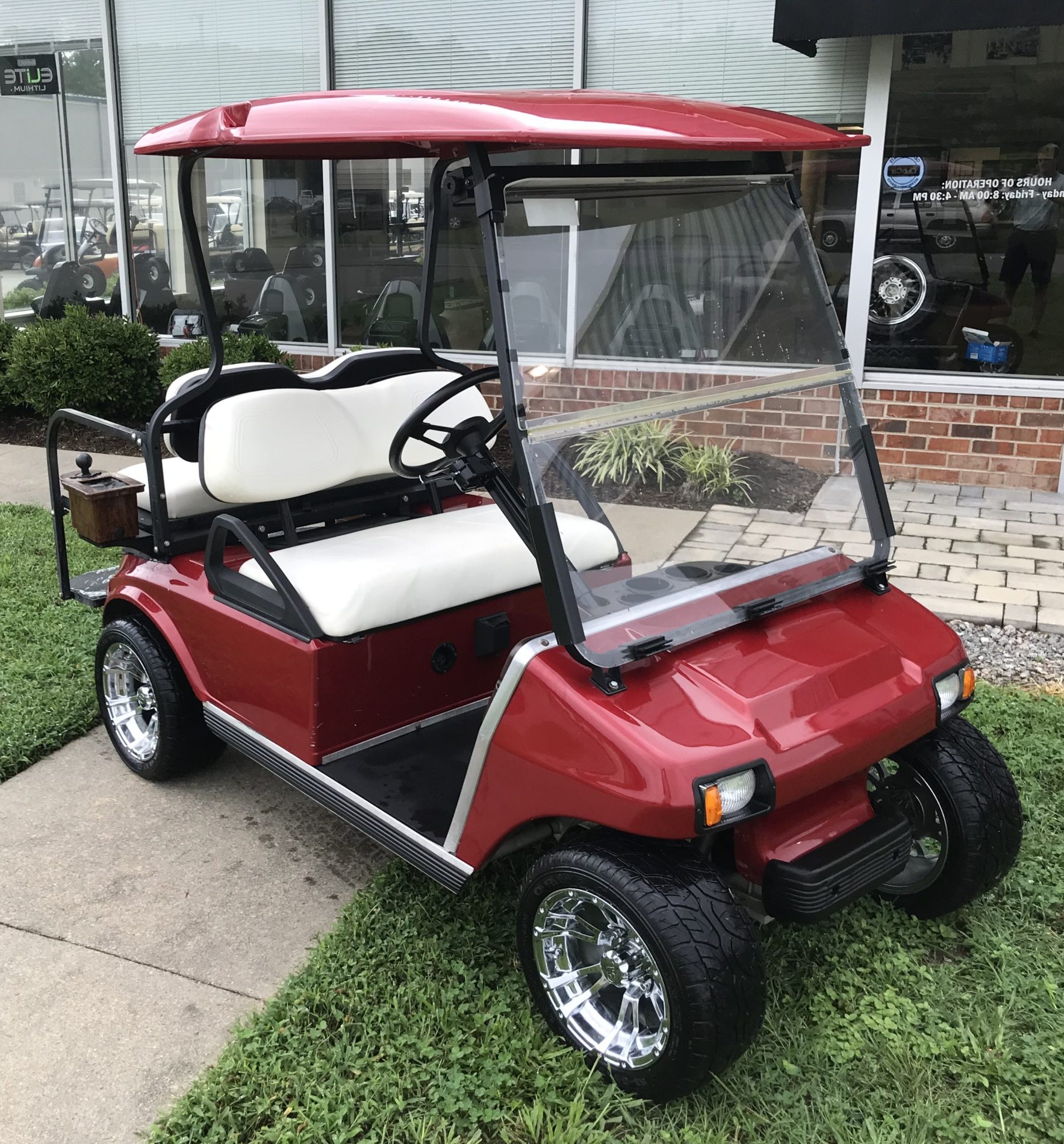
While the main tie rod itself may be the same, the tie rod ends are different and are not interchangeable between the old and new models. Using the incorrect one will prevent a proper fit and compromise steering safety. The easiest way to tell the models apart is by looking at the roof support frame. Refer to the image below for a visual comparison.
For the exact year of your Club Car DS, our detailed guide can help:
What Year is My Club Car Golf Cart? - Club Car Serial Number Lookup
- Old Model (1984-2008): Features silver, square-shaped aluminum front roof supports.
- New Model (2009-Present): Features black, diamond-shaped metal front roof support.
Drive Smoother and Safer
A well-maintained steering system is your key to a smoother ride and, most importantly, a safer one. If you notice any of the symptoms above, it’s a good idea to have your tie rod ends inspected soon. Addressing issues early not only prevents further damage to tires or other steering components, but also keep your rides smooth and secure, and ensures your confident control on every ride.
We're here to help! Have you encountered any of these steering issues with your own golf cart? Sharing your experience or questions in the comments below might be helpful to other owners too!